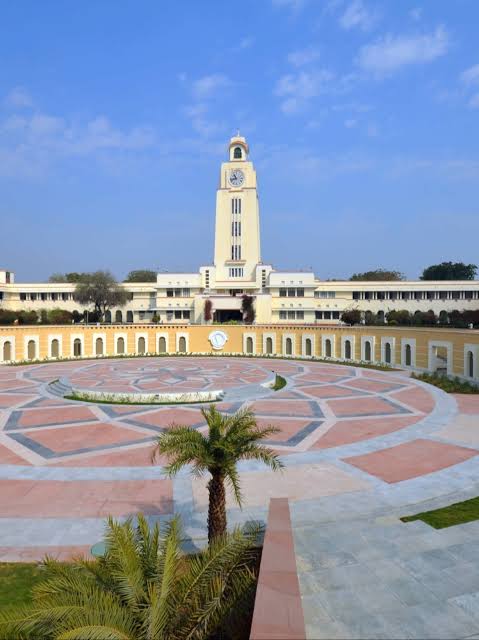

The Birla Institute of Technology and Science (BITS) Pilani has redesigned its undergraduate curriculum to prepare students for the growing influence of artificial intelligence (AI) and emerging technologies. The revised approach places greater emphasis on interdisciplinary education, research, industry exposure, practical projects and student well-being.According to V. Ramgopal Rao, Group Vice-Chancellor of BITS Pilani and former Director of IIT Delhi, the updated curriculum aims to move beyond traditional classroom-based learning by giving students greater flexibility to explore different subjects and develop skills relevant to a rapidly changing world.
Greater Focus on AI and Emerging Technologies
The revised curriculum covers several emerging fields, including artificial intelligence, data science, software construction, quantum information and computation, astronomy, and materials chemistry. Students will also have opportunities to choose interdisciplinary electives and explore areas beyond their primary disciplines.The curriculum combines core learning in science, engineering and computing with exposure to the humanities and arts. It also encourages design thinking, entrepreneurship and real-world problem-solving to help students develop a broader understanding of technology and society.
Research and Hands-On Learning
BITS Pilani is strengthening its Undergraduate Research Opportunities Programme (UROP), Advanced UROP and Super UROP to make research and project work an integral part of undergraduate education.Through these programmes, students can work on societal challenges and receive support to develop and test practical solutions. The institute’s Practice School programme also provides industry mentorship, while entrepreneurship pathways can help students take their ideas towards potential ventures. The institute has also reported spending more than ₹50 crore during the year on upgrading undergraduate laboratories across its Pilani, Goa and Hyderabad campuses to reflect technological advancements.
Student Well-Being Becomes Part of the Curriculum
Alongside academic and technical skills, the revised curriculum places greater importance on physical and mental well-being, creativity, social conduct and community engagement. Under the new Points of Experience framework, undergraduate students must complete 30 experience points, equivalent to approximately 60 hours of structured activities. These include fitness, creative pursuits, well-being workshops, social conduct and community engagement.Unlike conventional academic credits, these activities are recognised through experience points and form part of the undergraduate curriculum.
Preparing Students for a Changing Job Market
The curriculum changes reflect the growing influence of AI on education and employment, alongside concerns about student mental health. By combining technical knowledge with research, industry experience, interdisciplinary learning and personal development, BITS Pilani aims to help students become more adaptable, creative and independent.
The revised approach seeks to prepare graduates not only to understand emerging technologies but also to apply their knowledge to practical challenges and contribute meaningfully to society.