
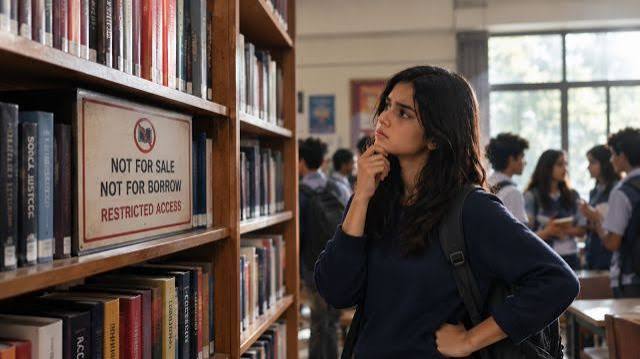

Public schools across the United States recorded a record 11,982 book bans during the 2025-26 academic year, marking the highest number of book removals documented in a single school year, according to a new report by PEN America.
The report found that the bans involved 7,370 individual book titles and affected more than 4,000 authors, illustrators and translators. The scale of the removals has renewed debate in the US over access to books, censorship, educational freedom and the role of school libraries in providing students with diverse perspectives.
Texas Records Highest Number of Book Bans
Texas accounted for the largest share of the reported book removals, with more than 8,100 bans recorded during the academic year. Florida was also among the states where schools continued to face significant restrictions on books.The books targeted were not limited to relatively obscure titles. Works by internationally recognised authors, including Stephen King, Margaret Atwood and Charlotte Brontë, were among those affected.Some of the notable works facing restrictions included Atwood’s The Handmaid’s Tale and Brontë’s Jane Eyre, both widely studied and recognised works of English literature.
Books on Race, Sexuality and Gender Frequently Targeted
According to the report, books addressing topics such as race, sexuality and gender identity were frequently challenged or removed from school libraries and classrooms.
Book challenges in the US have increased in recent years, with parents, community groups and advocacy organisations often raising objections to the content of particular titles. Supporters of removals have argued that certain books may not be appropriate for school-age students, while opponents say widespread bans can restrict students’ access to literature and different viewpoints.
Growing Role of AI in Book Challenges
The report also highlighted an emerging development in the book-ban debate: the use of artificial intelligence tools to identify and flag books for potential removal.
The increasing use of technology to screen large numbers of books has raised concerns among free-expression advocates about whether automated systems can accurately assess literary context and distinguish between educational content and material considered inappropriate.
PEN America has warned that large-scale book removals can have a significant impact on students’ access to information and diverse perspectives. The record number of bans during the 2025-26 academic year is expected to further fuel the ongoing national debate over censorship, parental rights, academic freedom and students’ freedom to read.