
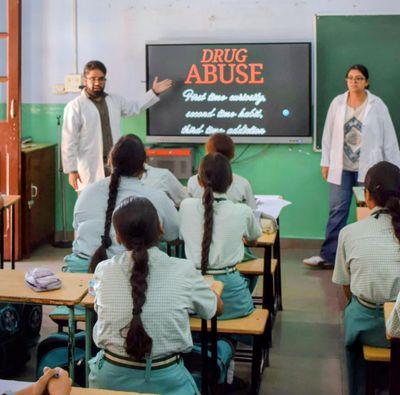

In a major initiative to promote a drug-free and healthy educational environment, the Maharashtra government has announced that anti-drug awareness lessons will be incorporated into the school curriculum across the state. Along with classroom-based awareness programmes, the government will also establish school-level counselling committees to identify students at risk, provide psychological support, and encourage healthy lifestyle choices.
The initiative aims to educate students about the harmful effects of drug abuse, addiction, and substance misuse from an early age. Through structured lessons, awareness campaigns, workshops, and interactive sessions, students will learn about the physical, mental, social, and legal consequences of drug consumption. The government believes that preventive education is one of the most effective ways to protect young people from falling into substance abuse.
To strengthen student support systems, every school will constitute a counselling committee comprising teachers, counsellors, and other designated members. These committees will monitor student well-being, identify behavioural changes at an early stage, provide counselling when required, and coordinate with parents to ensure timely intervention. Schools will also organise awareness programmes involving healthcare professionals, psychologists, law enforcement officials, and community organisations.
The Maharashtra government has stated that the initiative is part of a broader campaign to safeguard students’ physical health, mental well-being, and overall development. Special emphasis will be placed on creating a supportive school environment where students feel comfortable seeking guidance and assistance without fear of stigma.
Educational institutions will also be encouraged to organise seminars, competitions, awareness drives, and community outreach programmes to spread the message against drug abuse. Parents will be actively involved in the campaign to strengthen cooperation between schools and families in identifying and preventing substance-related issues among children and adolescents.
Through the introduction of anti-drug education and counselling mechanisms, the state government aims to build greater awareness, promote responsible decision-making, and ensure that schools remain safe, supportive, and healthy spaces for learning.